PRI Labs
The Plant Resilience Institute (PRI) is currently comprised of 14 laboratories, each led by a PRI faculty member. Affiliated with colleges, departments, programs, and institutions across campus, PRI provides a diverse and collaborative community for researchers working in its laboratories. Learn more about the PRI labs below.
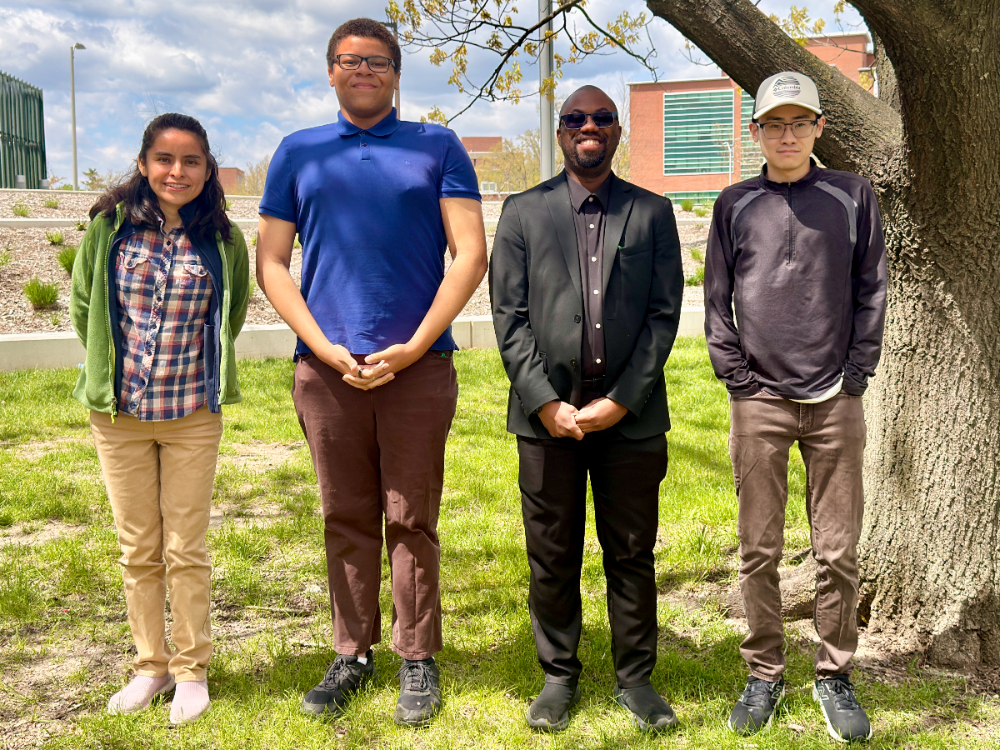
The Gilbert Lab
The Gilbert lab is studying symbiotic interactions in plants and the traits that mediate them. They focus on the natural history and trait evolution of carnivorous pitcher plants, the regulation of abiotic factors with consequences to symbionts, and community ecology in a geographic context. The lab utilizes a wide array of techniques, including field observation, experimental manipulation, phylogenetic analysis, and multi-omics approaches.

The Glassmire Lab
The Glassmire lab integrates field research with quantitative chemistry to study how metabolomics mediate the complex interactions between plants, microbes, herbivores, and associated predators in order to improve pest management strategies and better understand species invasions. A major initiative in the lab is to develop a model system for controlled manipulation of volatile traits to enhance biological control on insect communities in agroecosystems.

The Howe Lab
The Howe lab studies the role of phytohormones in plant defense against insect herbivores. They use Arabidopsis and tomato as experimental model systems to dissect the molecular mechanisms of jasmonate signaling and plant growth-defense tradeoffs.
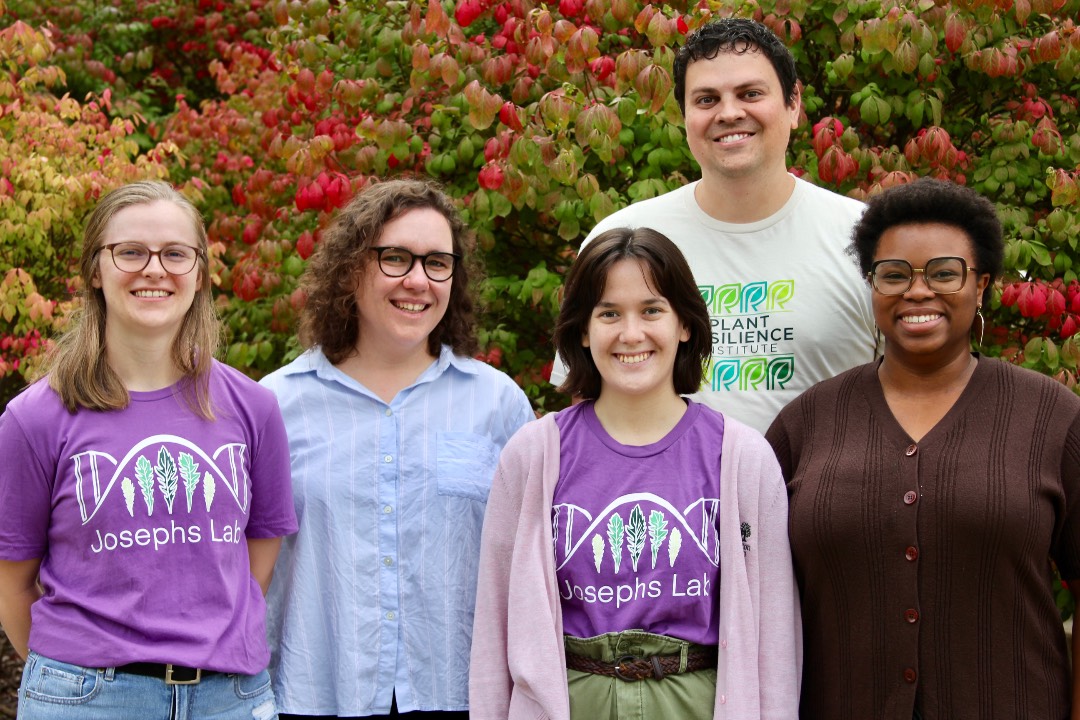
The Josephs Lab
The Josephs lab studies the evolutionary genetics of wild and domesticated plants. The lab is interested in understanding how various evolutionary forces, like drift and selection, shape patterns of genetic variation and trait variation in natural and domesticated plant species. By using genomic data, experiments, and new methods, the lab aims to understand how evolution has shaped the variation we see today.
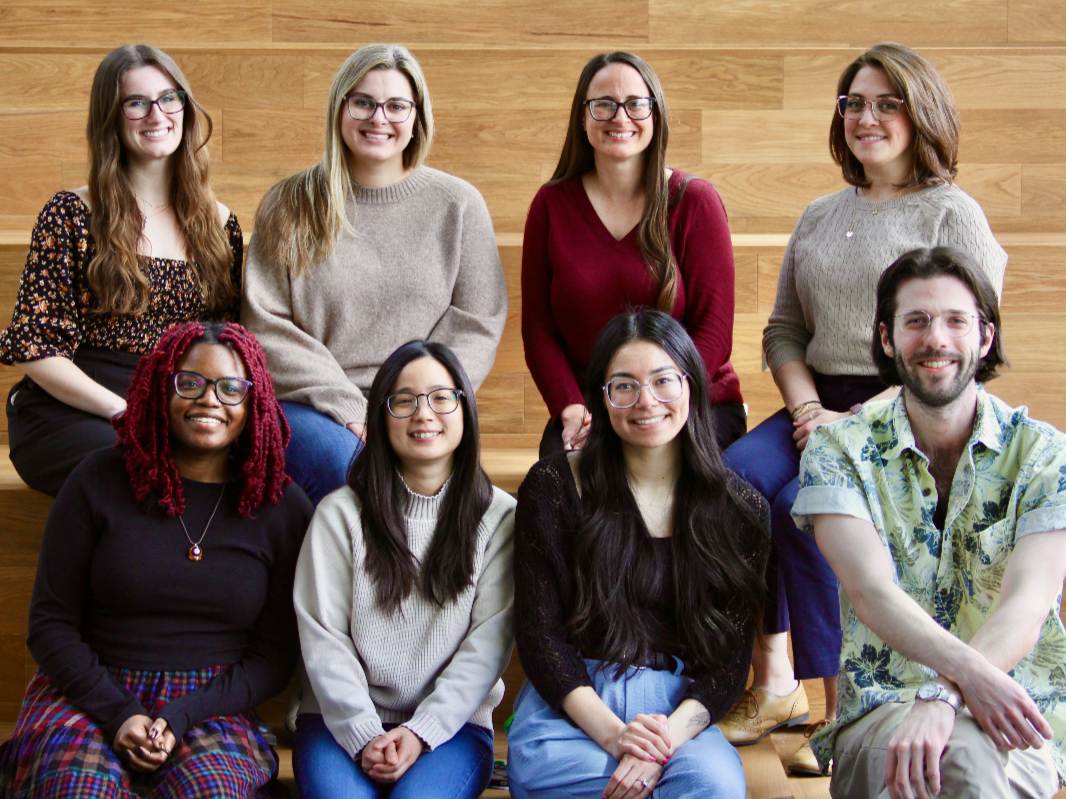
The Lebeis Lab
The Lebeis lab aims to uncover how plants and microbes each contribute to host microbiome assembly. Focusing on plant influence over microbiome composition and critical microbe-microbe interactions in plant microbiome assembly, the labs’ results help define mechanisms of how plants and microbes interact and how a host harnesses the microbial inoculum.
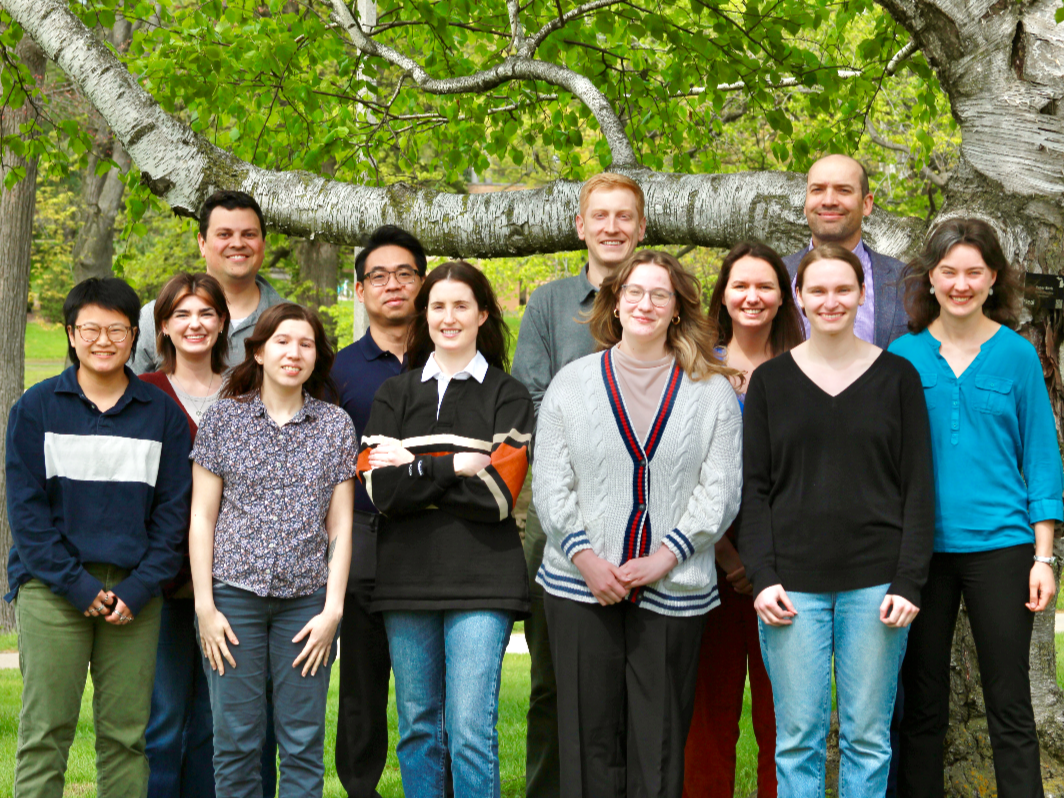
The Lowry Lab
The research of the Lowry lab is centered on identifying the genetic and physiological mechanisms of ecological adaptations, understanding how those adaptations contribute to the formation of new species, and developing approaches to translate our knowledge of adaptations into the improvement of crop species. The lab’s work focuses on monkeyflowers, panicgrass, and common bean.
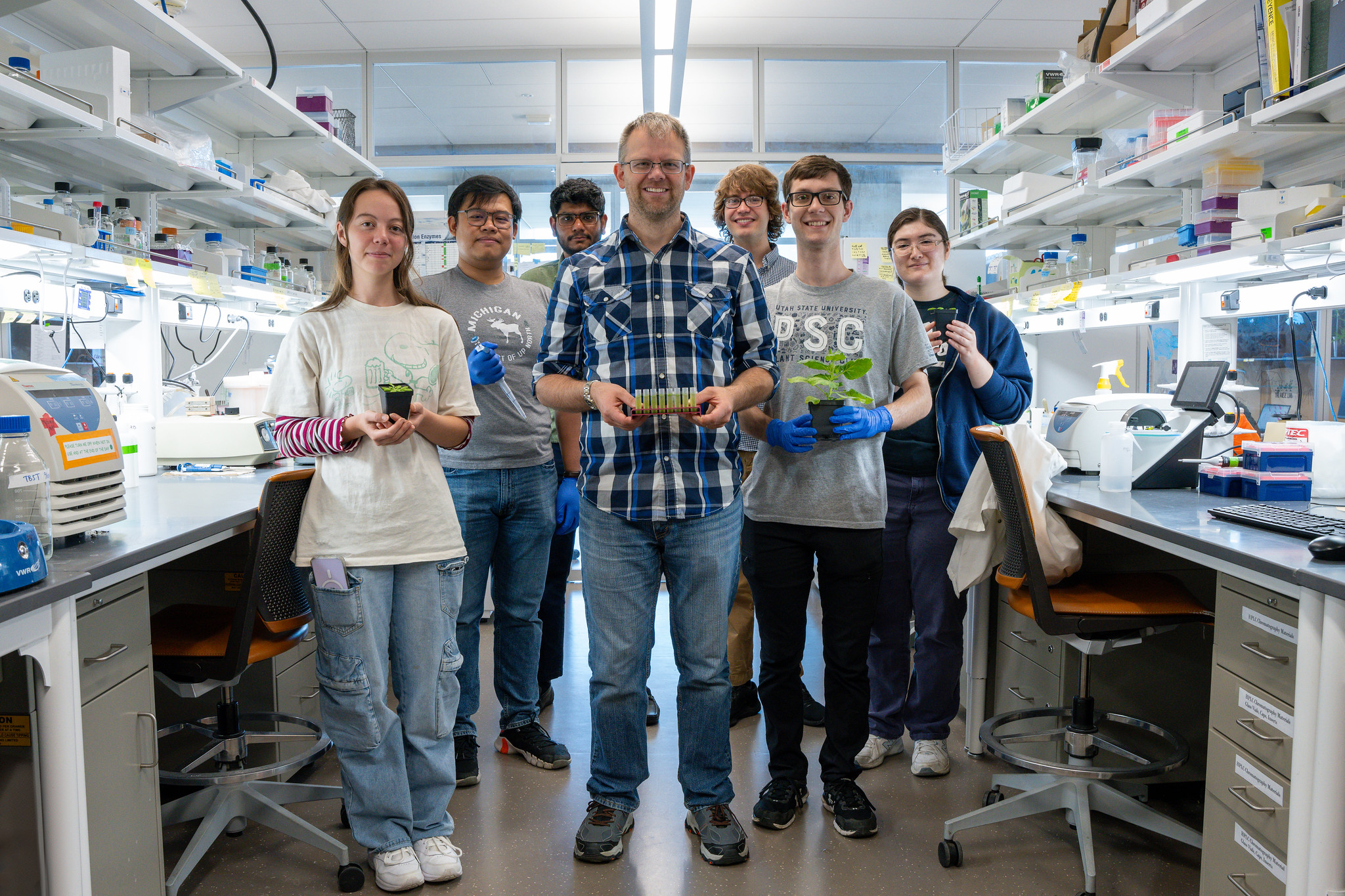
The Lundquist Lab
The Lundquist lab studies dynamic lipid droplets of plant plastids called plastoglobules. The lab seeks to bridge basic and translational research by unravelling the relationship of these dynamic particles to plant (a)biotic stress response and nutritional quality. This will lead to important knowledge to be harnessed for improving the productivity and nutritional quality of crops.
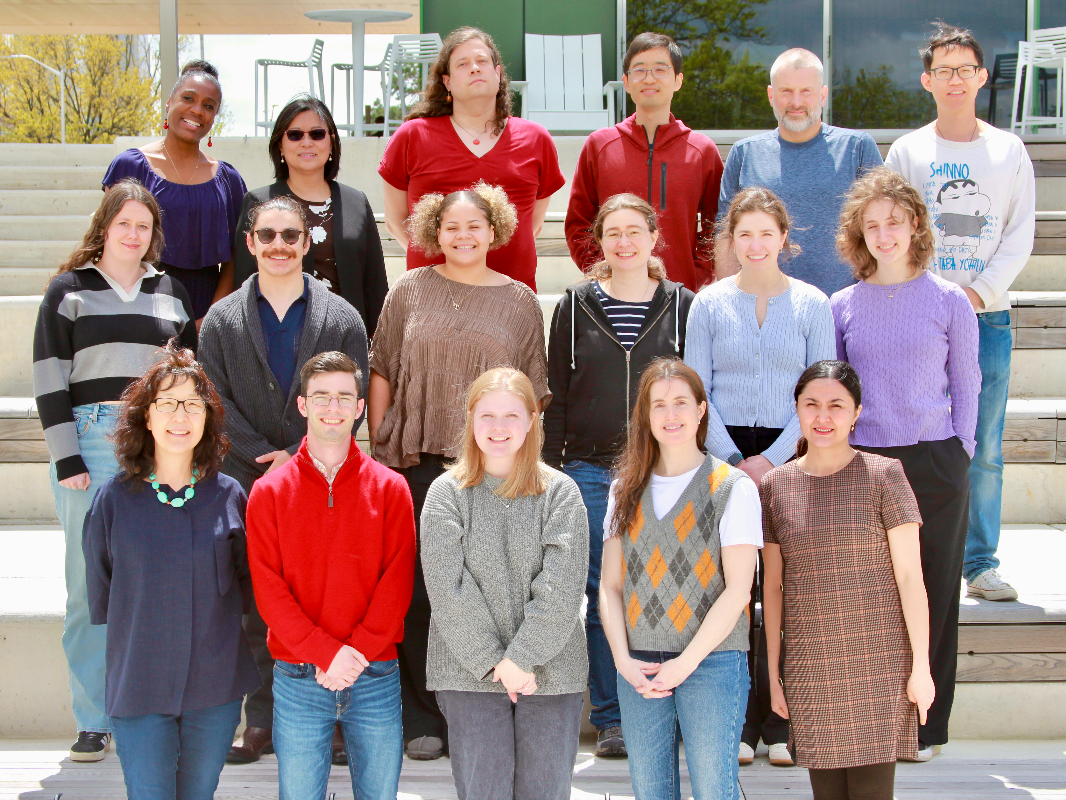
The Rhee Lab
The Rhee lab combines computational and experimental approaches to reveal molecular mechanisms underlying adaptive strategies in plants. They focus on metabolic traits at multiple scales including individual genes, pathways, and networks. The lab also uncovers novel functions, mechanisms, and pathways of 'unknown' genes.
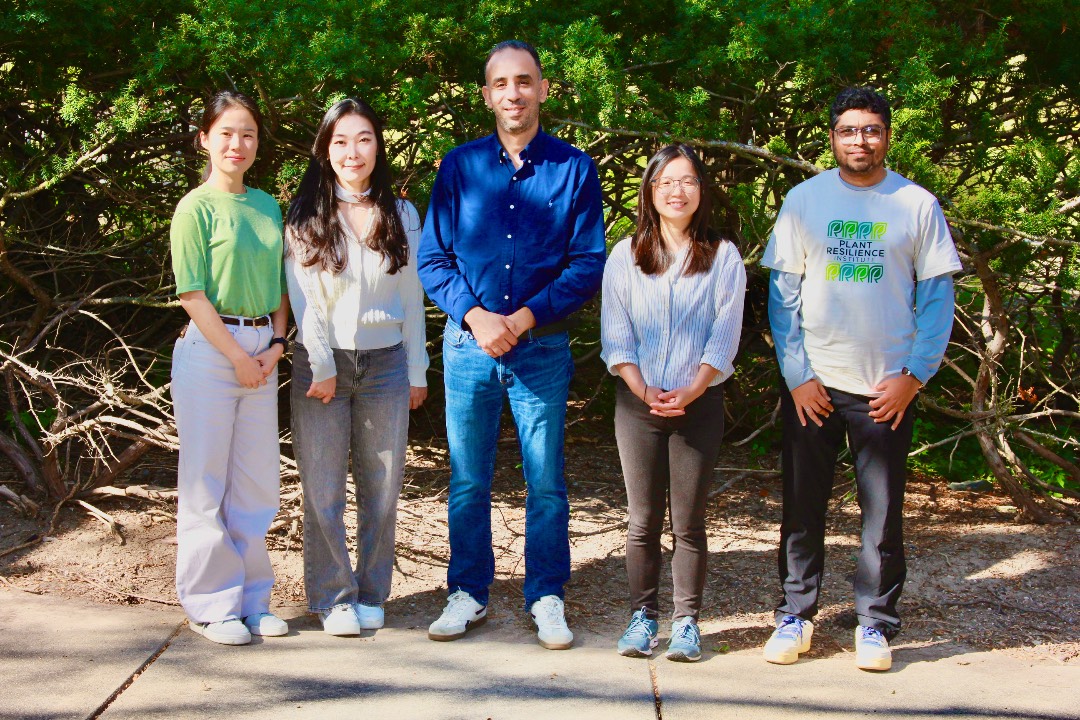
The Rouached Lab
By applying systems genetics, the Rouached lab studies how plants detect, interpret, and adapt to diverse nutrient signals to regulate growth. The lab is currently investigating how plants regulate phosphate nutrition, aiming to design strategies to develop new crop varieties with efficient phosphate use.
The Sharkey Lab
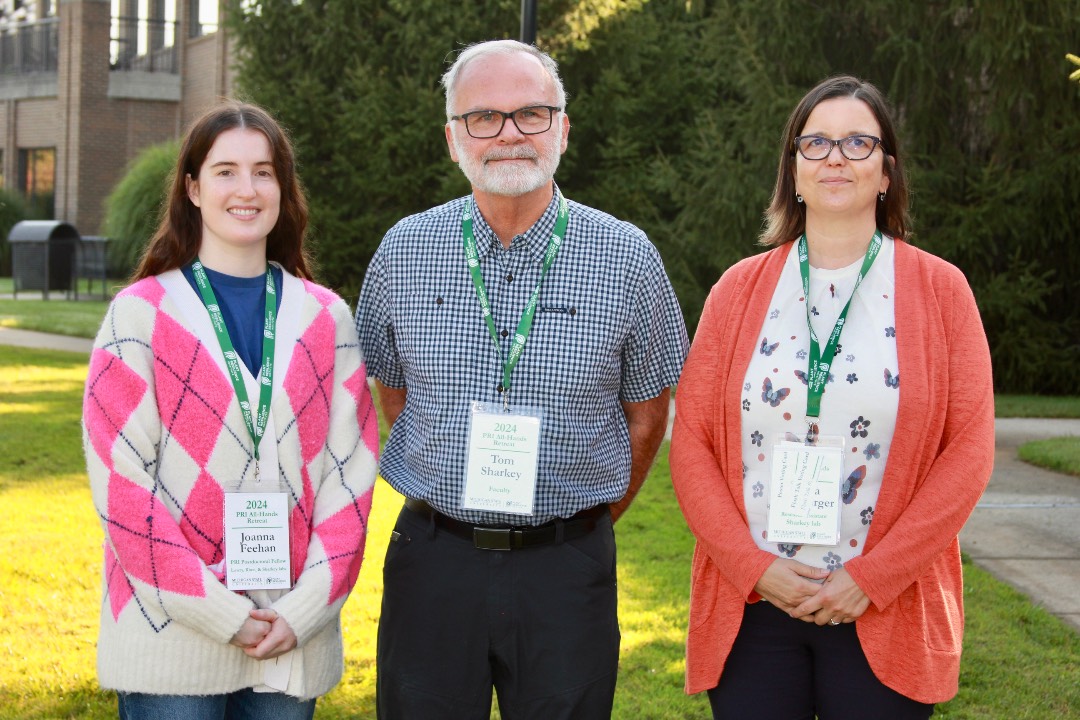
The Sharkey lab studies the interactions between plants and the atmosphere. Their research is concentrated on three projects: (1) carbon metabolism of photosynthesis from carbon dioxide uptake to carbon export from the Calvin-Benson Cycle, (2) isoprene emission from plants, and (3) abiotic stress tolerance.
The Sprunger Lab
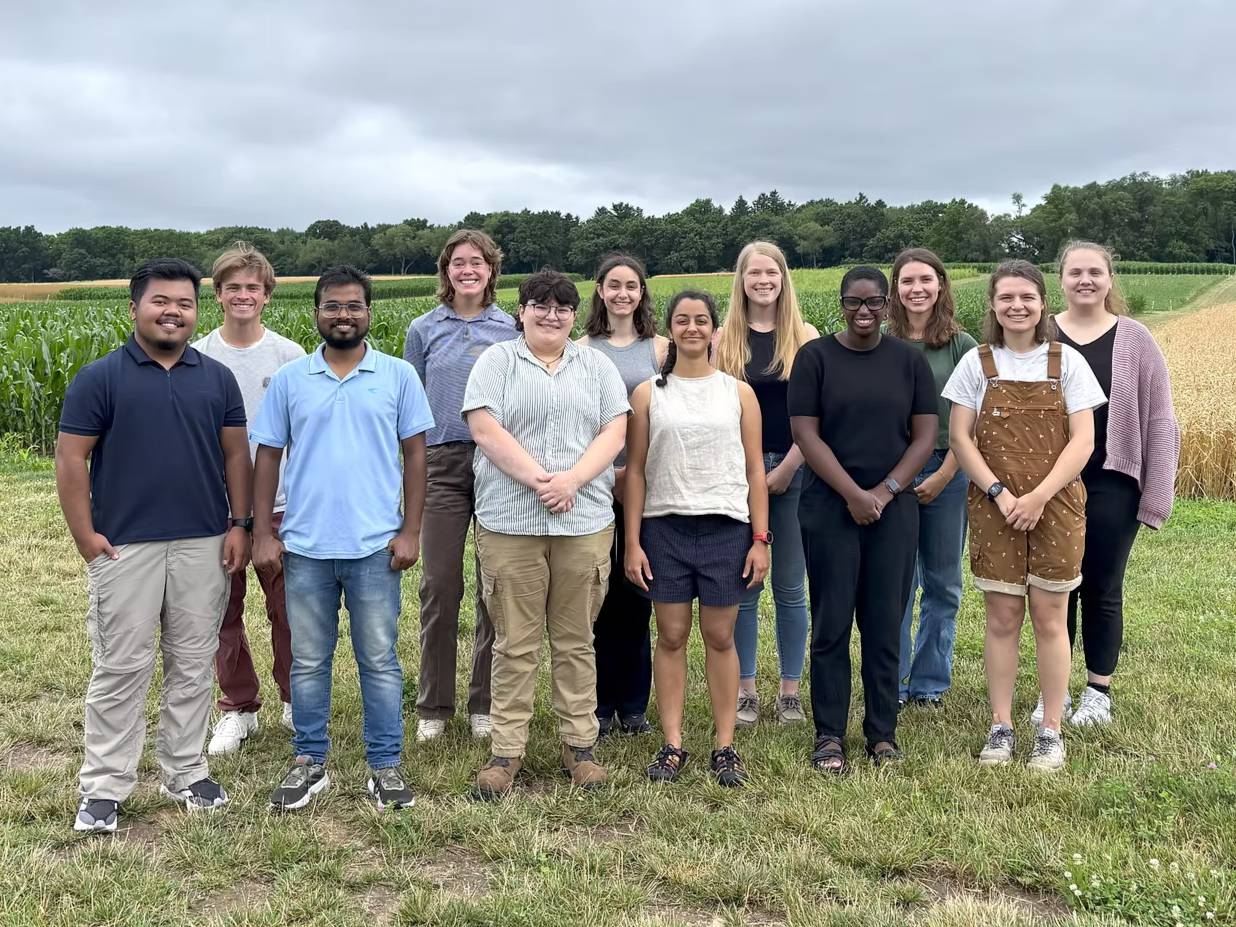
The Sprunger lab consists of soil scientists and ecologists that examine how agricultural practices influence soil for enhanced agronomic performance and ecological function. They are interested in how crop diversity and perenniality influence soil food webs, nematodes, nutrient cycling, and soil health. Focusing on the intersection of agriculture and the environment, the lab also investigates global change biology and socio-ecological systems.
The Thompson Lab
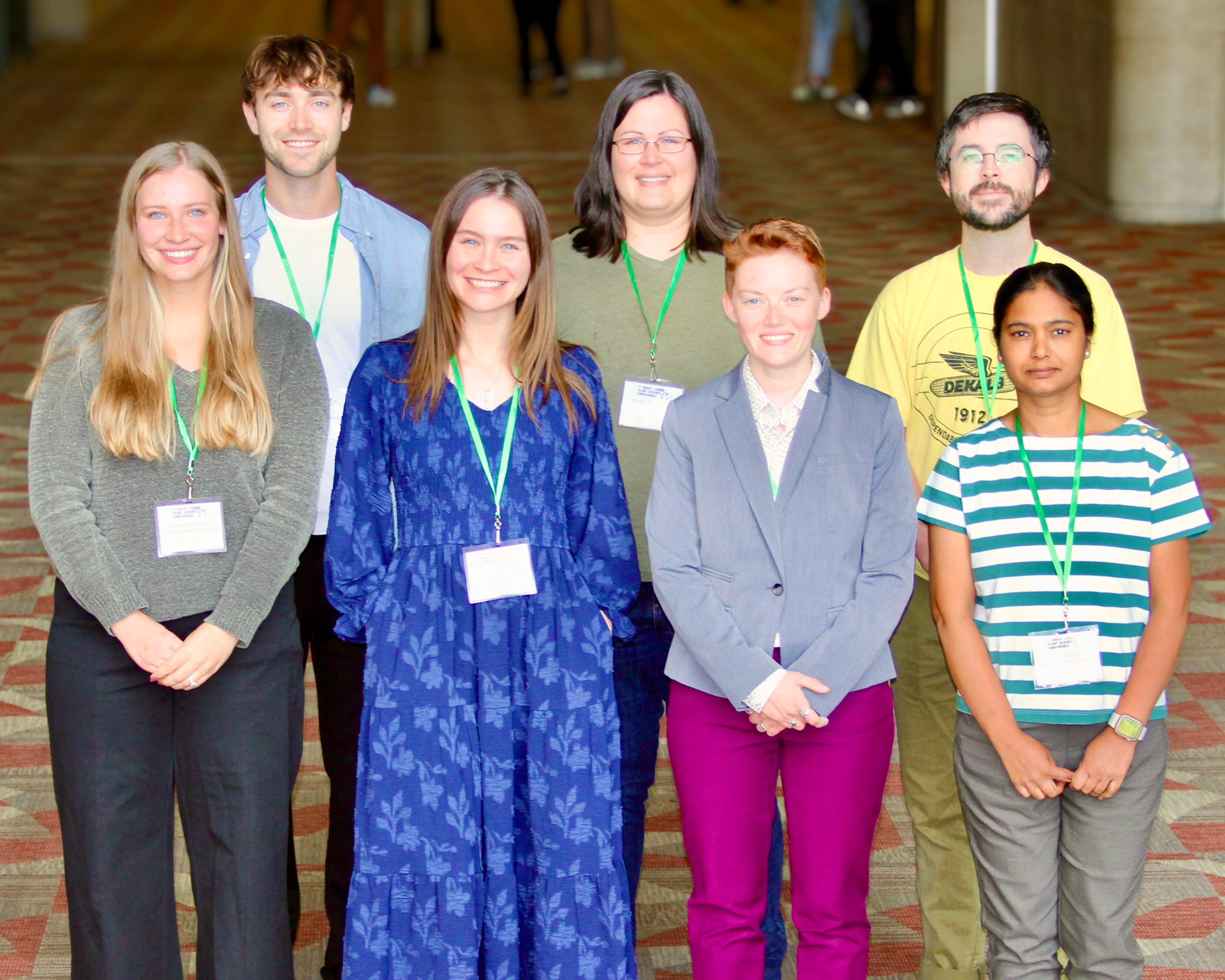
The Thompson lab studies maize and sorghum and how different genotypes grow in different environments. They employ many technologies and approaches to investigate this area, from quantitative genetics to phenomics to statistical and physiological modeling. Emphasis is placed on addressing biologically meaningful and agriculturally relevant questions, with both domestic and international potential applications.
The Topp Lab
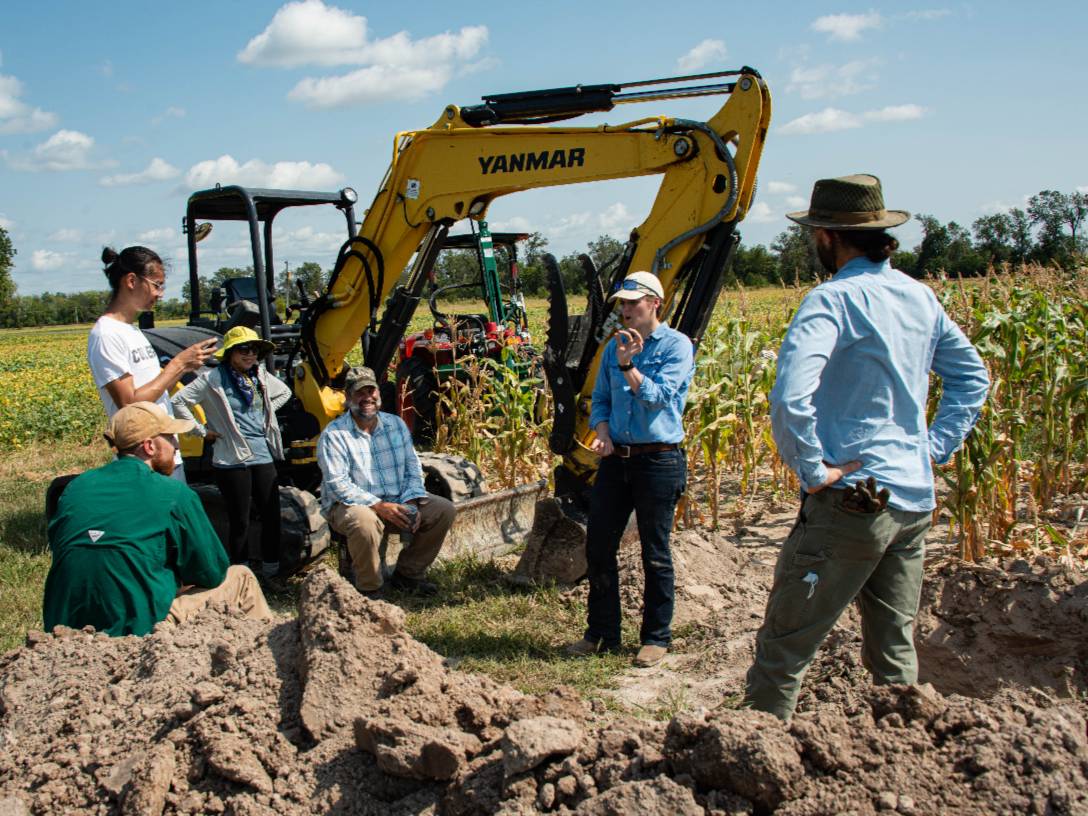
The Topp lab seeks to understand root biology and the soil ecosystem to integrate the knowledge into agricultural science for the benefit of humanity. The lab develops diverse phenomics tools to understand the genetic and mechanistic basis of root growth and its environmental conditioning for application towards a sustainable future in agriculture.
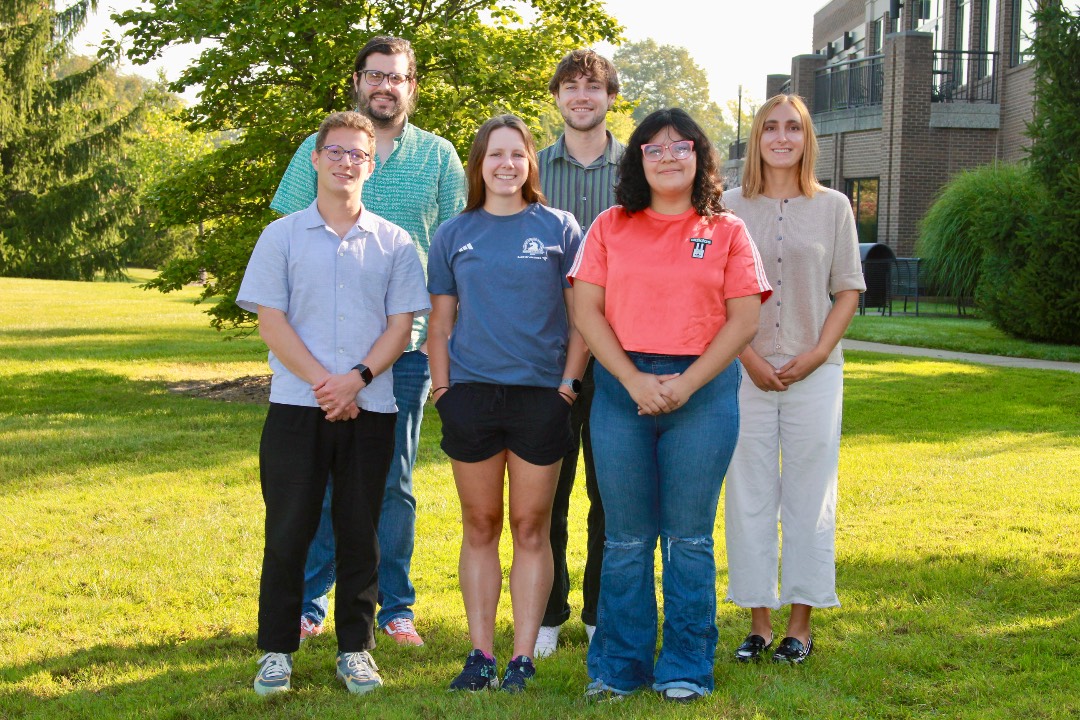
The VanBuren Lab
Work in the VanBuren lab focuses on exploring the mechanisms that plants use to combat drought stress in natural and agricultural settings. The lab is researching how to improve the climate resilience of C4 cereals, how life survives without water, and how to engineer CAM photosynthesis.