Global symposium brings agricultural biotechnology community together at MSU
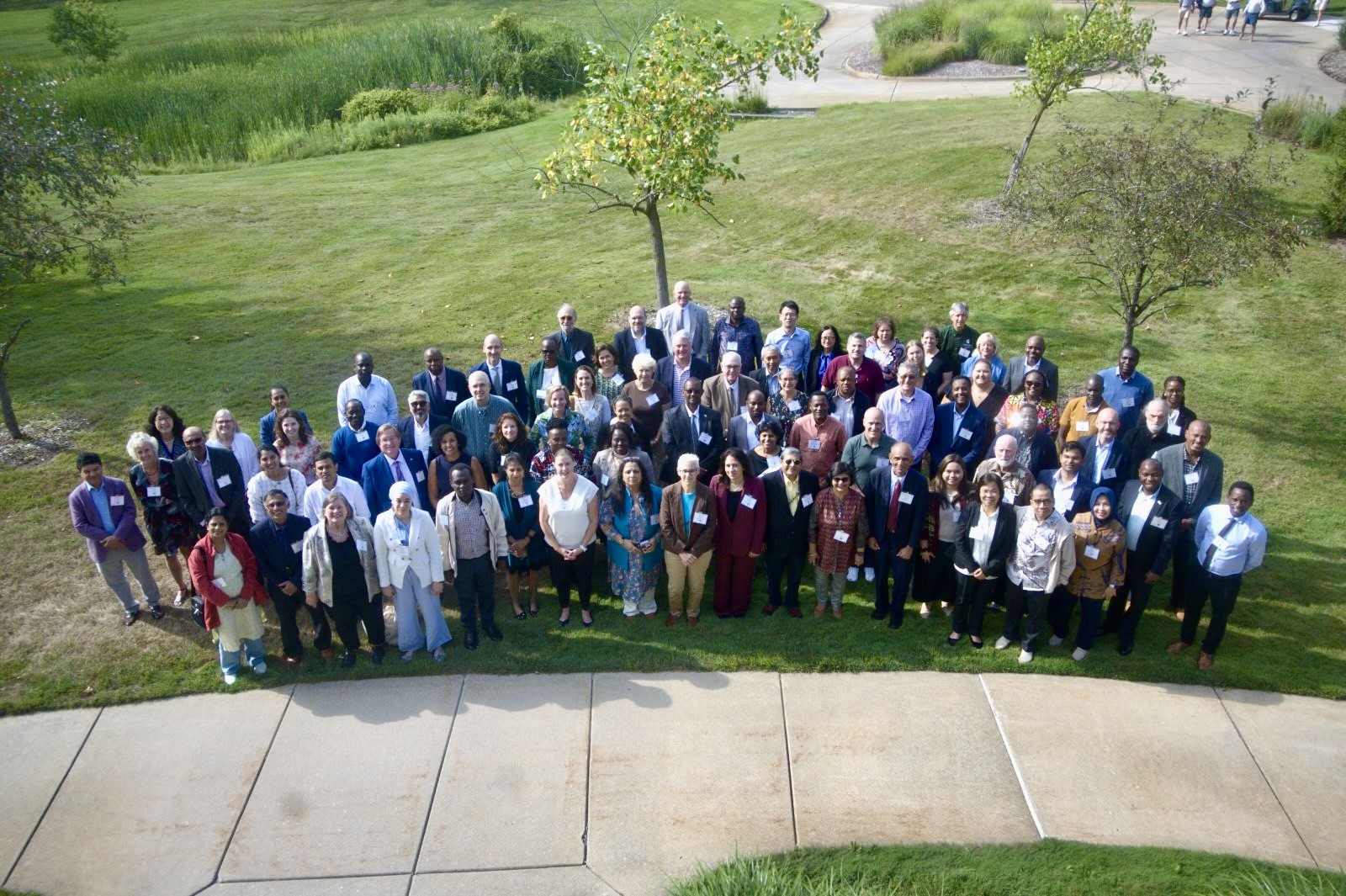
Michigan State University welcomed a global community of agrifood and biotechnology experts from August 2-5, 2026, for the "Agricultural Biotechnology for a Better World" Global Symposium, organized by the MSU College of Agriculture and Natural Resources.
The symposium marked the 25th anniversary of the International Agricultural Biotechnology, Biosafety, and Technology Commercialization Short Course offered by MSU in collaboration with national and international partners. The event brought together diverse stakeholders from around the globe to share experiences in harnessing modern biotechnology to enhance food and nutritional security, environmental quality, and economic growth.
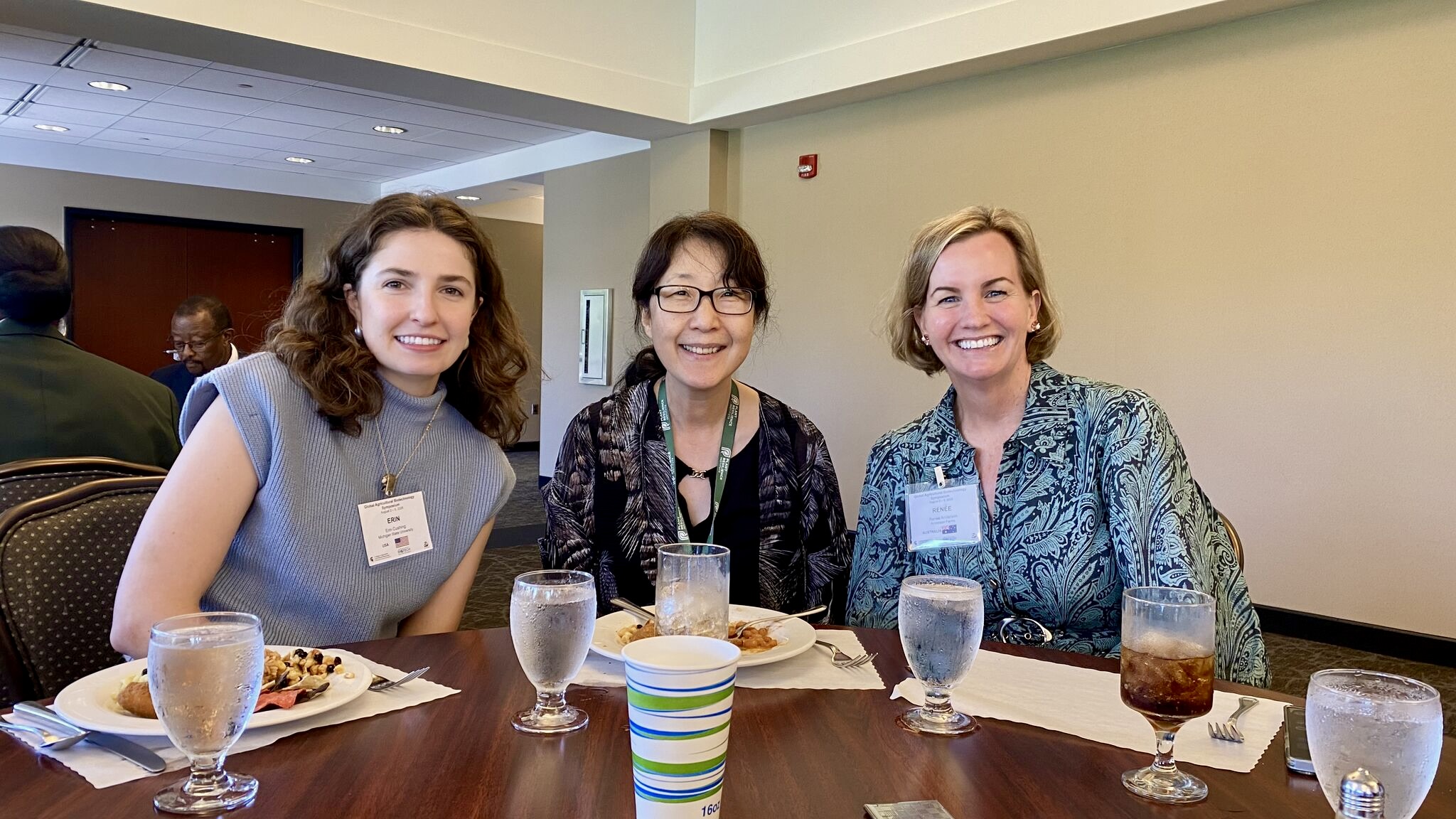
Members of the MSU Plant Resilience Institute (PRI) were among those who attended the symposium, joining colleagues from across academia, government, industry, and regulatory agencies for conversations about the opportunities and considerations surrounding agricultural biotechnology.
Programming reflected the breadth of expertise needed to move biotechnology from scientific discovery to real-world impact. Symposium sessions addressed policy and regulation, research and innovation, technology transfer, product commercialization, public-private partnerships, international trade, education and capacity building, and communication and outreach.
Continuing the conversation with Leena Tripathi
Following the symposium, PRI welcomed symposium guest Dr. Leena Tripathi of the International Institute of Tropical Agriculture (IITA) for a special seminar with the MSU plant science community on August 6.
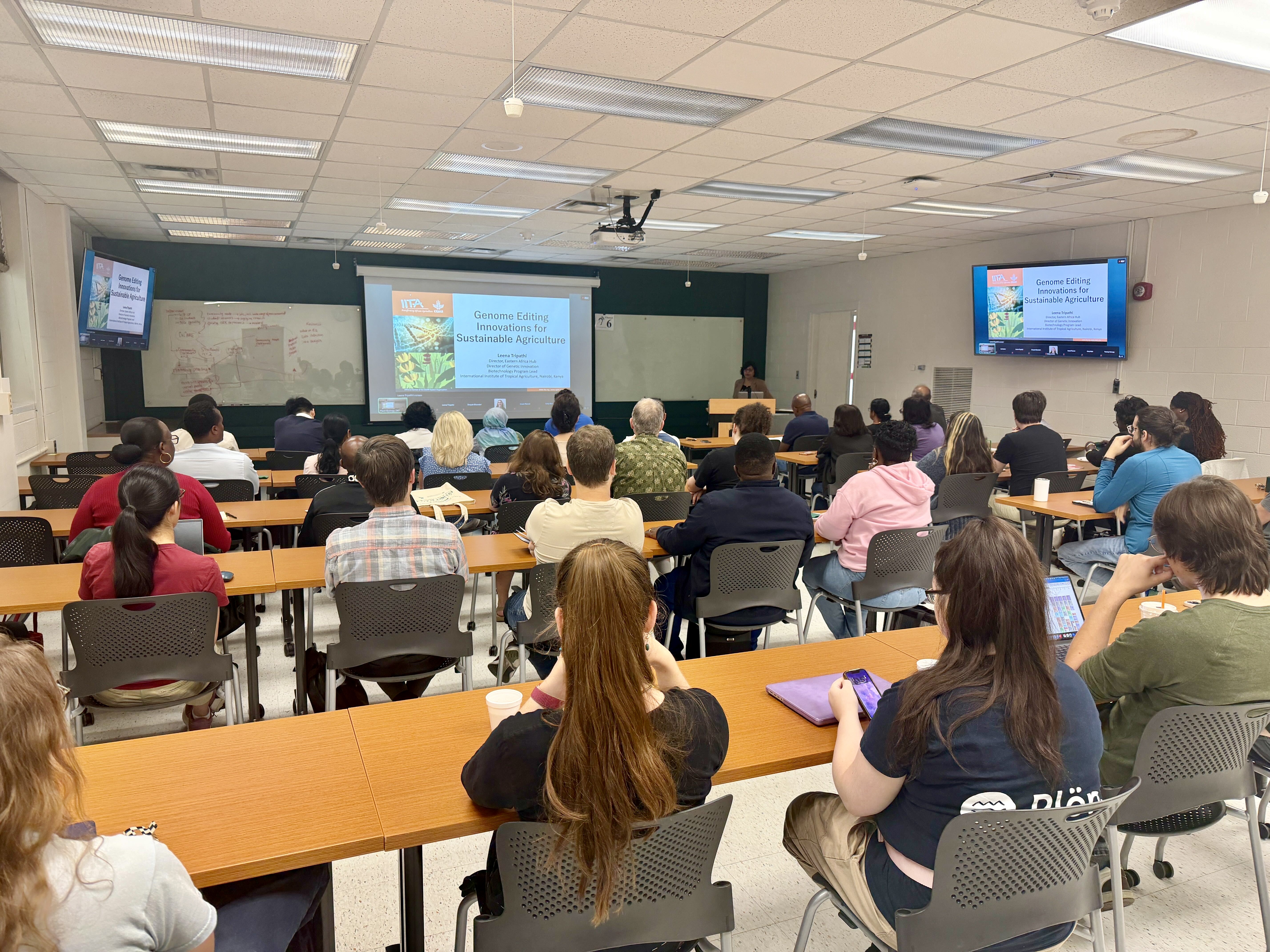
Tripathi, director of IITA's Eastern Africa Hub and lead of its biotechnology program, presented "Genome Editing Innovations for Sustainable Agriculture." With more than 26 years of experience in plant biotechnology, Tripathi works to improve staple crops in African countries for resistance to diseases and pests. Her research emphasizes a "Science to Practice" approach aimed at translating scientific advances into practical solutions.
During the seminar, Tripathi highlighted the potential of genome-editing technologies to improve crop productivity and resilience, focusing on developing disease-resistant banana varieties. Her presentation was followed by a roundtable lunch discussion, providing another opportunity for members of the MSU plant science community to engage with Tripathi and continue the exchange of ideas.
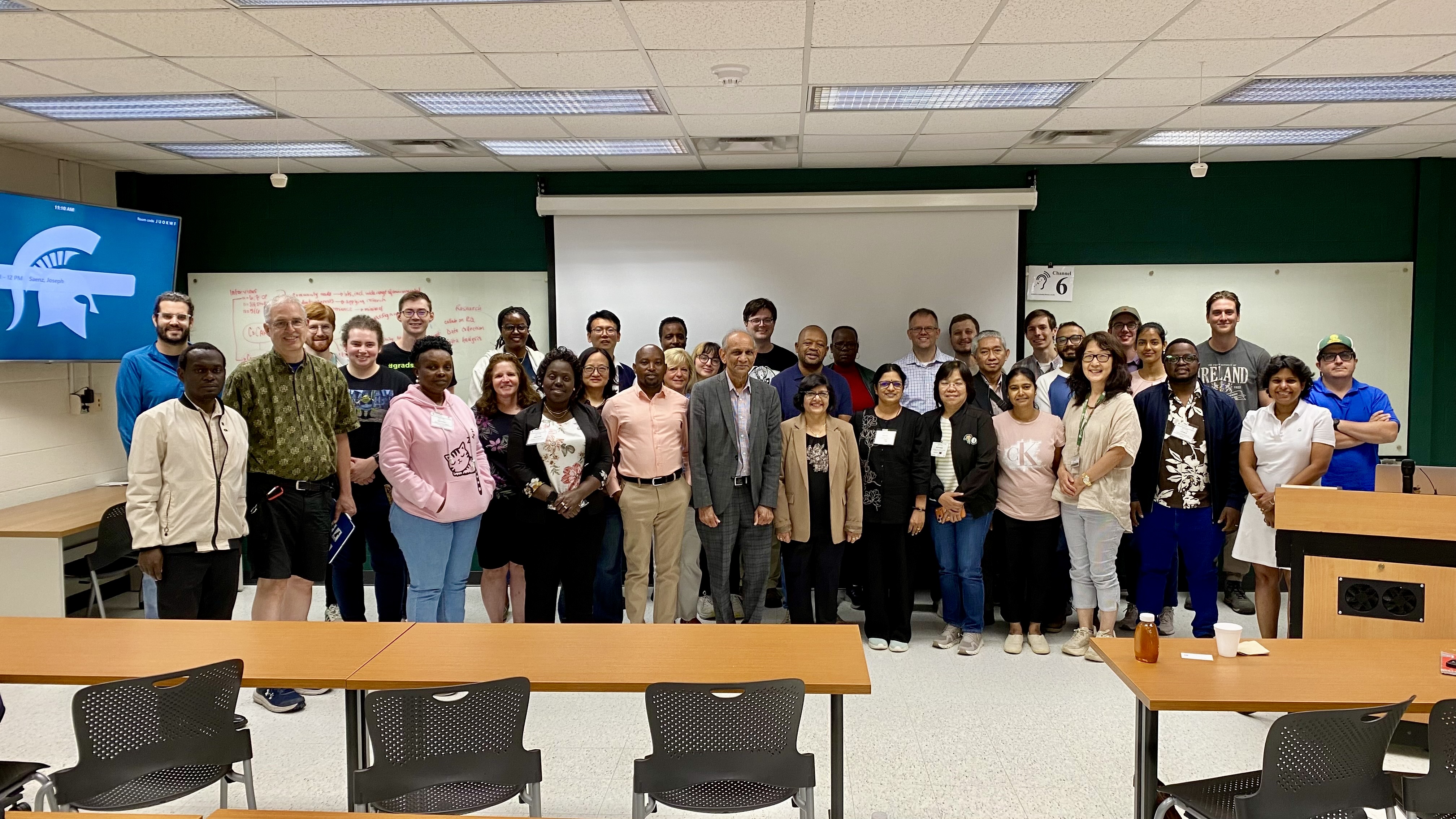
Together, the global symposium and research seminar highlighted the value of uniting scientific innovation with thoughtful policy and international partnerships to strive towards a more sustainable future.
PRI is grateful to the symposium organizers, participants, and Tripathi for contributing to a week of learning, connection, and global collaboration at MSU.